
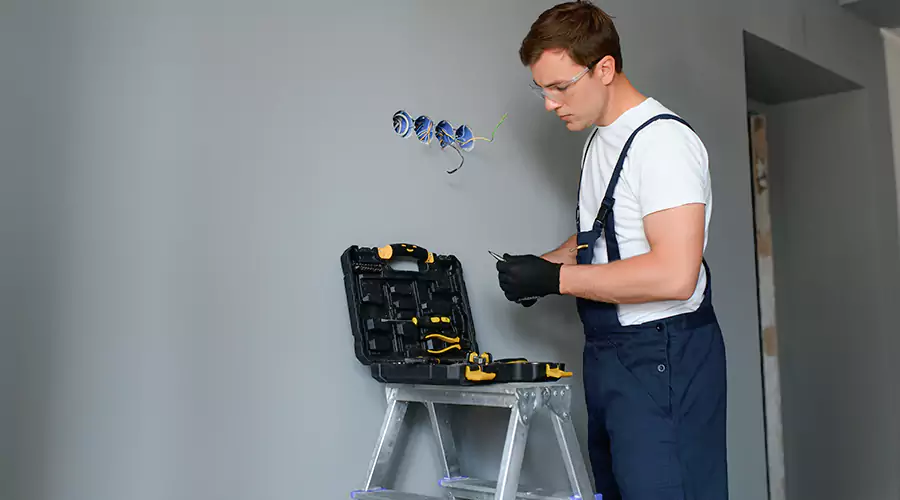
Aluminum wiring can operate safely when installed and maintained correctly, yet many homes face real risk due to aging connections. Most issues come from loose terminals and heat buildup rather than the wire itself. Homes built in the late 1960s often still contain this material, which makes inspection important today. A licensed electrician providing electrical wiring services can identify hazards and recommend practical fixes that meet current safety standards.
What Makes Aluminum Wiring a Concern Today
Aluminum wiring becomes risky when connections degrade over time. Expansion and contraction during normal use can loosen terminals and create gaps. These gaps increase resistance, which leads to overheating and possible fire.
Modern homes rely on more devices and higher electrical loads than older systems were designed to handle. This increased demand places extra stress on older connections. A system that once worked fine may now operate closer to its limits.
Clear Signs Your Wiring Needs Attention
Warm wall plates often signal a problem at the connection point. Flickering lights suggest unstable current flow within a circuit. A burning smell near outlets points to insulation damage caused by heat.
Circuit breakers that trip without clear cause can also indicate wiring issues. These warning signs should not be ignored since they can escalate quickly. A professional inspection can confirm the exact cause and prevent further damage.
Common Warning Indicators
- Warm or discolored outlets
- Flickering or dimming lights
- Frequent breaker trips
- Buzzing sounds from switches
- Burning odor near fixtures
Each sign reflects a potential connection issue that requires prompt evaluation.
How Professional Electricians Inspect Aluminum Wiring
A licensed electrician follows a structured process to assess safety. The inspection starts with a visual check of outlets, switches, and the electrical panel. This step reveals signs of overheating or improper connections.
The next step involves testing circuits under load to detect voltage drops or heat buildup. The electrician may remove select outlets to inspect wire terminations directly. This method provides accurate insight into the condition of the system.
What Electricians Evaluate During Inspection
- Tightness of all terminal connections
- Condition of wire insulation
- Type of connectors used
- Presence of oxidation on conductors
- Circuit load compared to capacity
Each finding helps determine whether repair or replacement is the best course of action.
Repair Solutions That Reduce Fire Risk
Full copper rewiring provides the most complete solution. This approach removes aluminum conductors and replaces them with modern copper wiring. It improves long term safety and supports higher electrical demand.
Connector upgrades offer a less invasive alternative. Certified connectors such as COPALUM or AlumiConn create a stable link between aluminum wire and copper pigtails. This method reduces heat at connection points and improves reliability.
Comparison of Repair Options
| Solution | Safety level | Cost range | Disruption level | Expected lifespan |
|---|---|---|---|---|
| Full copper rewiring | Highest | High | Major | Long term |
| COPALUM connectors | Very high | Medium | Moderate | Long term |
| AlumiConn connectors | High | Medium | Low | Long term |
| Basic outlet replacement | Low | Low | Low | Short term |
Each option has a place depending on your budget and long term plans for the property.
Why DIY Fixes Create More Risk
Aluminum wiring requires specific connectors and techniques that most homeowners do not have access to. Standard outlets and wire nuts are not rated for aluminum connections. Improper repairs often increase resistance and heat.
A licensed electrician uses approved materials and follows code requirements. This ensures that each connection remains stable under normal load. Attempting repairs without proper training can make the system more dangerous.
Electrical Upgrades That Add Value to Your Home
Updating aluminum wiring improves both safety and property value. Buyers often request inspections when they learn a home contains this material. Documented upgrades can make the home easier to sell.
Modern electrical systems also support current power needs more effectively. Appliances and HVAC systems place higher demands on circuits. Upgrades ensure your home can handle these loads without strain.
Insurance Considerations for Homes With Aluminum Wiring
Insurance companies often view aluminum wiring as a higher risk factor. Some providers require proof of repairs before approving coverage. Others may increase premiums if no upgrades have been completed.
Providing documentation of professional repairs can improve your standing with insurers. Certified connector installations often satisfy safety requirements. Checking with your provider helps you understand what is needed.
Understanding Aluminum Wiring Inspections
Homes with aluminum wiring require careful inspection because aging connections and improper terminations can increase the risk of electrical problems over time. A thorough evaluation focuses on wiring connections, electrical panels, circuit performance, and overall system condition to identify potential safety concerns and verify compliance with current electrical standards.
During the inspection, outlets, switches, panels, and other accessible electrical components are checked for signs of overheating, loose connections, corrosion, or excessive electrical load. The findings help determine whether repairs, connection improvements, or other electrical upgrades are needed to improve safety, reduce risk, and support reliable long-term system performance.
What to Expect from an Electrical Inspection
- Detailed wiring inspection with documented results
- Code compliant repairs using approved connectors
- Clear pricing before any work begins
- Skilled electricians trained in aluminum wiring systems
- Final safety check after service completion
These services give homeowners confidence that their electrical system meets modern safety expectations.
When to Repair Versus Replace Wiring
Full replacement makes sense during major renovations or when damage is widespread. This option provides the highest level of safety and future flexibility. It also eliminates concerns about aging connections.
Targeted repairs work well when the system is in generally good condition. Connector upgrades address the most common failure points without opening walls. This approach balances cost with improved safety.
Final Guidance for Homeowners
Aluminum wiring requires attention, yet it does not mean immediate danger when handled properly. Most risks come from worn connections that can be repaired or upgraded. Acting early helps prevent small issues from becoming serious hazards.
A professional inspection gives you a clear understanding of your system. With the right repairs, you can improve safety and maintain reliable electrical performance for years.